Help shoppers choose the right product in the aisle.
Biscuit’s in-store AI shopping assistant answers product questions by voice. Shoppers can compare options, check what works with what they own and find their choice on the shelf.
A Biscuit phone with a mint idle Orb and blue speaking Orb. Three recommendations take turns orbiting forward to the right of the phone.
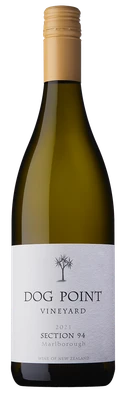
- Dog Point · Section 94, Marlborough Sauvignon Blanc: The $60 bottle has beautiful citrus notes that’ll pair with fish. Outcome: Converted sale.
- Volkswagen, Tiguan Allspace: The Tiguan Allspace has the extra row of seats, perfect for soccer training. Outcome: Salesperson notified — Buyer in the lot.
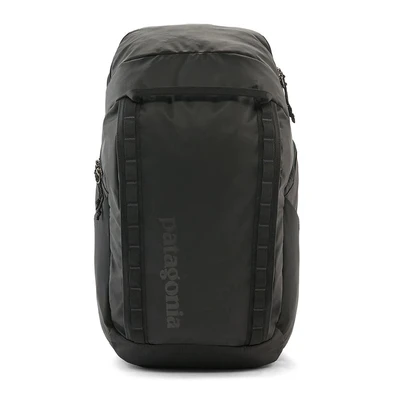
- Patagonia, Black Hole® Pack 32L: The larger pack gives you extra versatility. Outcome: Upsold $14.



Start with the right goal.
A customer’s question reveals the job to be done. Biscuit matches that need to the appropriate agent and the business objectives you set—whether that means growing basket value, revenue or margin, improving satisfaction, or qualifying a lead for a salesperson.
A customer asks about a family car. Boss applies the dealer’s configured lead-qualification goal. Biscuit asks how many seats they need. No qualified lead, contact permission, booking or completed purchase is claimed.
Make complex choices clear.
Use your product knowledge to understand the customer’s needs, explain differences and narrow the options. From a wine recommendation to a car purchase, help people work through specifications, compatibility and preferences rather than leaving them to search a catalogue alone.
An adult asks for a white wine under $25. Two fictional catalogue options cost $22 and $24. Biscuit asks about style; the customer prefers crisp and dry, so the $22 option is highlighted. The customer’s preference, not the higher price, drives selection. Selection is not a purchase. Products, silhouettes and USD prices are illustrative.
Guide a confident decision.
Draw on validated lessons from previous interactions to ask better questions and explain the trade-offs that matter. Spatial AI connects the selected products with their place in the store, helping customers move from understanding an option to finding it and deciding what to buy.
The shopper asks for their usual allergy tablets. Biscuit uses a previously approved clarification to distinguish locating the same pack from asking for new advice. The shopper confirms the same pack; a phone illustration shows its shelf location. This is an illustrative product-finding example, not medicine selection, medical advice or a completed sale. The shelf and matching neutral pack are schematic: an example store view.
Make the sale count.
Recommend relevant extras, promotions or suitable higher-margin options while respecting the customer’s needs. Support a simple grocery purchase or hand a qualified opportunity to a salesperson with context intact. Measure the agreed business outcome so each completed interaction can inform the next improvement.
A shopper buying $2.50 pasta accepts a suggested $3.50 tomato sauce. Only after that explicit acceptance does the illustrative basket change from $2.50 to $6.00. The sample outcome is an accepted add-on; checkout remains pending, so no revenue or conversion result is claimed. Products, silhouettes and USD prices are illustrative.
See it in practice.
-
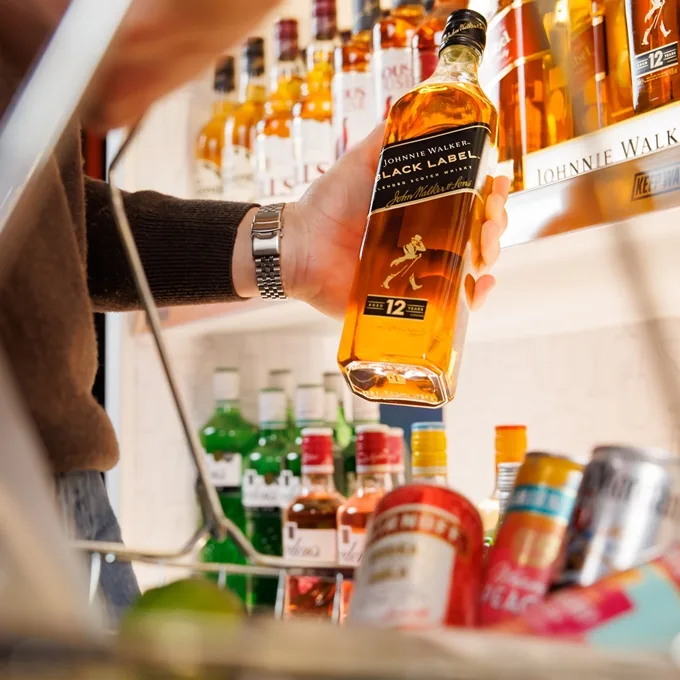
- Cocktail recipes Cocktail knowledge coverage in the supplied pilot description.
- 1,112
- Catalog items Product catalog coverage in the supplied pilot description.
- 319
Diageo
An AI mixologist for every occasion.
-

- Less ordering time Elapsed ordering time.
- 36%
- Basket value uplift Basket value.
- 7%
OLHSO Korean Barbecue
Voice ordering for robotic Korean barbecue.
-
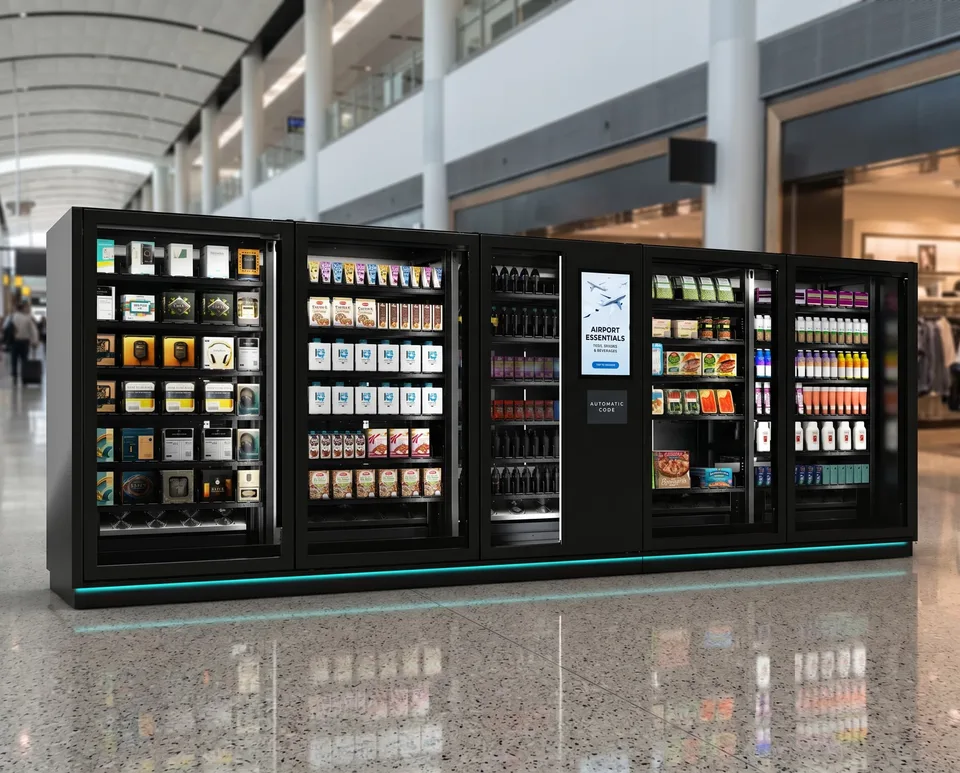
- Sales uplift Sales over one month with Biscuit’s voice agent enabled on trading-card machines.
- 18%
- Cart conversion uplift Cart conversion among shoppers who spoke with the agent; not a percentage-point increase.
- 6%
EZ Retail
How EZ Retail grew trading-card sales with voice AI