Give agents a business goal.
Configure voice AI agents around your sales, service and operations objectives. Boss manages their work against the outcomes that matter.
Define your business.
Bring together your knowledge base, products, policies and store boundaries. Connect the information agents should use and define where they can act. Boss gives sales, service and operations a shared foundation, so each new objective builds on the business knowledge already in place.
Illustrative Boss configuration for fictional Store A. The retailer supplies a catalogue and policies, then a compact window defines the knowledge, store scope and permitted guidance or staff handoff. The final card makes that defined context available to the three business functions. This is not a real Boss screenshot, connector demonstration, successful data import or permission to act outside Store A.
Set the outcome.
Configure voice AI agents around the results you want: a completed sale, a larger basket, a resolved request or a qualified lead. Define success, permitted actions and human handoff points. Give each agent a clear purpose—not just a prompt to hold a conversation.
Illustrative Boss objective. A retailer configures useful collection support, with success requiring a customer-confirmed next step and code or identity problems reserved for a colleague. A sample code issue then matches that existing rule. The scene shows purpose and limits being applied, not an agent inventing its own objective, verifying identity or successfully releasing an order.
See what gets done.
Put agents to work within those boundaries and measure their performance against the objective. Review completed outcomes, unresolved needs and exceptions together. Understand where agents are helping the business and where more knowledge, a different workflow or human support is needed.
Illustrative review of two prior records. First, a pick card exposes the associate’s recorded “Picked” reply before changing to completed. A separate collection-code issue has no acknowledgement and remains awaiting a colleague. Boss shows who should review that prepared handoff next. These are fictional records, not measured completion rates, a live workflow feed or proof that the second request was resolved.
Fine-tune without starting over.
Adjust objectives, knowledge and operating rules through a simple interface. Let self-improving agents test changes within the limits you approve, then review the effect on results. Keep control of the direction while validated improvements strengthen the same shared operating knowledge.
Illustrative owner-controlled refinement. A current opening question is compared with a clearer collection-versus-product clarification. Boss restricts the proposed change to Store A service and requires validation and owner review before release. The final card remains pending evaluation. It demonstrates control of an existing agent, not a real experiment result, immediate deployment or unrestricted self-modification.
Business objectives in practice.
-

- Cocktail recipes Cocktail knowledge coverage in the supplied pilot description.
- 1,112
- Catalog items Product catalog coverage in the supplied pilot description.
- 319
Diageo
An AI mixologist for every occasion.
-
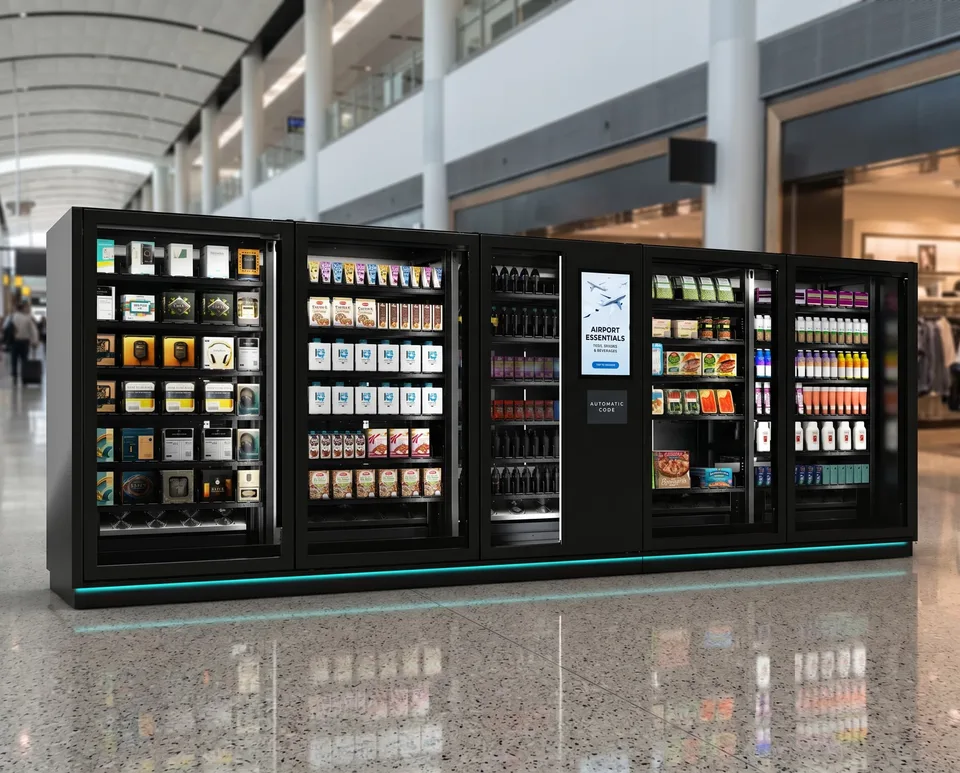
- Sales uplift Sales over one month with Biscuit’s voice agent enabled on trading-card machines.
- 18%
- Cart conversion uplift Cart conversion among shoppers who spoke with the agent; not a percentage-point increase.
- 6%
EZ Retail
How EZ Retail grew trading-card sales with voice AI