Diageo · Guided selling
An AI mixologist for every occasion.
An occasion-led conversation helps shoppers decide what to serve, choose a bottle, and discover what else they could make with it.
3 min read
Overview
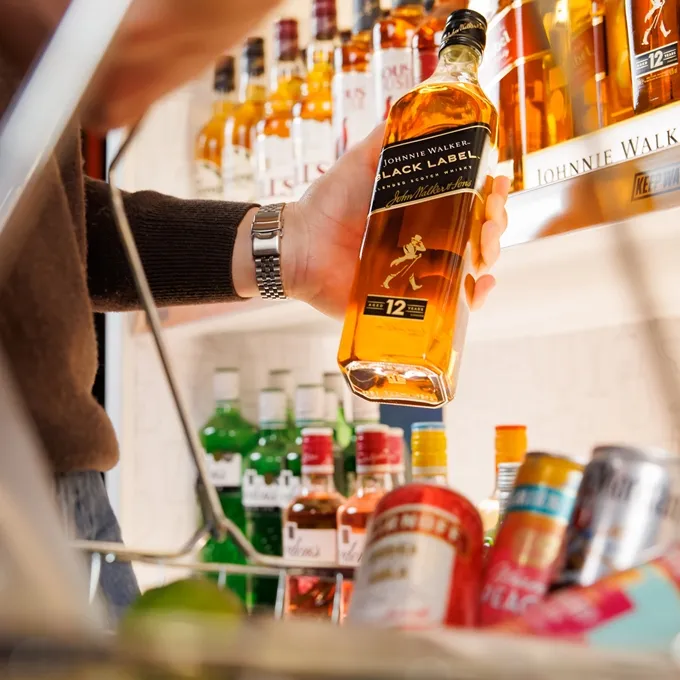
Diageo selected Biscuit AI to showcase the future of spirits retail at its Collaboration Center. We built an AI mixologist into a Diageo-branded kiosk so visiting retailers could experience it as shoppers. As a visitor walked past, the kiosk used computer vision to notice them and offer a greeting. They could stop and ask a question out loud.
We designed the experience around three retail goals: provide better customer service, convert more browsing into purchases, and increase basket size. The mixologist drew on 1,000+ cocktail recipes from the Diageo Bar Academy and knew the spirits in the assortment. It could help someone plan drinks for a party or go straight to finding a whiskey that suited their taste and budget.
“I usually buy Don Julio. What could I make with it?”
One of the most revealing conversations started with a familiar bottle. A shopper who usually mixed margaritas with Don Julio Blanco could ask what would change if they used a reposado in a jalapeño margarita. The mixologist could explain how barrel aging brings vanilla and warm spice into the drink, then help them decide whether to stick with their blanco, try a reposado, or explore a longer-aged añejo.
That conversation also led to a comparison between Don Julio Reposado and Casamigos Reposado. At a similar price in the showcase, the choice came down to taste. The shopper could weigh Don Julio’s vanilla and cinnamon notes against the caramel and cocoa in Casamigos. As they talked, product cards appeared on the kiosk so they could see exactly which bottles they were comparing.
What a second bottle adds
The clearest opportunity to grow the basket came from helping a shopper do more with the tequila they already liked. Take Don Julio Reposado and Mr Black Coffee Liqueur. Adding the coffee liqueur gives the shopper three more cocktails to try with their tequila: a tequila espresso martini, a coffee margarita, and a coffee paloma.
That gave retailers two ways to guide a sale. The mixologist could recommend a higher-margin bottle when its flavor better suited the drink, or suggest a complementary bottle and name the cocktails that made it worth adding. The shopper could see what they would get from either choice.
From a recommendation to a purchase
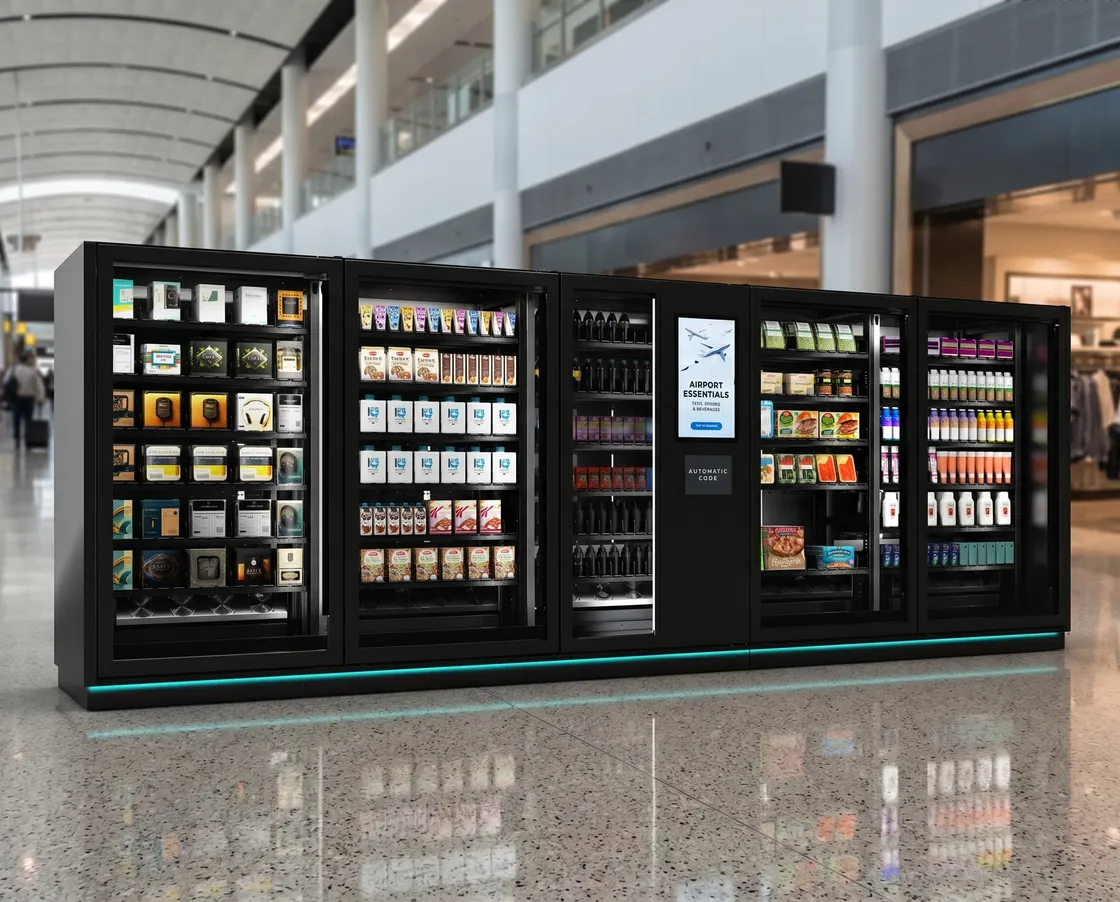
The product cards led to our next step. Once a shopper could see the bottle they wanted, it made sense to let them add it to a cart while they were talking. We extended that idea into a cart that could produce a printed pick list or connect to a point-of-sale system to complete the purchase. We went on to build that capability into our vending solution and integrate it with vending clients.
Visiting retailers also told us that the upfront cost of dedicated hardware could make a rollout difficult. That feedback helped shape our move into Spatial AI and made mobile our primary focus. Shoppers can get help choosing and finding a bottle on the phone they already carry. We also support the same kind of service through kiosks, robots, and vending machines.