Customers are not asking retailers for more automated follow-up.
They are asking retailers to remember them better.
That is the real lesson from a new Endear survey covered by CX Dive. The obvious read is that retailers should send more post-visit messages. The better read is that stores are still relationship engines, and AI should help associates continue the relationship without turning it into another generic campaign.
According to CX Dive’s report, 63% of consumers said they are more likely to return to a store if an associate follows up personally. Another 60% said personalized communication from an associate matters to their shopping decisions. More than half, 55%, said they have made a purchase because of follow-up communication, while just over one-third said they have done so more than once.
The underlying survey was commissioned by Endear and conducted by Censuswide among 1,000 U.S. consumers ages 24 to 54. Endear’s press release also says the data was collected between February 16 and February 19, 2026.
Those numbers are useful, but they can also send retailers in the wrong direction.
The wrong conclusion is: “Great, let’s automate more follow-up.”
The better conclusion is: “Customers respond when a person who understood their need follows up with context.”
That distinction matters.
The store visit should not disappear when the shopper leaves
A physical store visit is full of useful customer intent.
A customer asks about fit. They compare two products. They bring up a project. They mention a birthday, a renovation, a trip, a skin concern, a pet, a size, a budget, or a deadline. They try something on and hesitate. They ask whether an item comes in another color. They leave because the right size is out of stock.
Most of that context disappears.
It may live in the associate’s memory for a few hours. It may get typed into a clienteling tool if the associate has time. It may become a note in a customer profile if the workflow is easy enough. But in many stores, the richest part of the interaction is still treated like a conversation that evaporates the second the customer walks out.
That is a waste.
Retailers spend heavily to get people into stores. Then, after the customer has shared what they want, what they are unsure about, and what would bring them back, the retailer often hands the relationship back to a generic email calendar.
This is where AI can help, but only if it is pointed at the right problem.
The problem is not message volume.
The problem is memory.
AI should help associates sound more human, not less
The useful version of retail AI is not an automated system pretending to be a store associate.
It is an assistant that helps the real associate remember what happened, decide whether follow-up is appropriate, and make the next message feel specific.
That could mean summarizing the customer’s in-store conversation. It could mean reminding the associate that a customer was waiting for a restock. It could mean suggesting a follow-up window based on the product, project, or service cycle. It could mean turning a messy conversation into a clean note: “Customer is comparing waterproof hiking shoes for a trip next month; prefers black; size 8.5; wanted to know when the wider fit arrives.”
That kind of AI does not replace the associate’s judgment. It gives the associate a better starting point.
CX Dive’s article makes this point indirectly. It quotes GlobalData Retail’s Neil Saunders arguing that retailers need to give staff the information necessary for personalization, but also let them use discretion instead of forcing them into scripts. That is the right operating principle.
Personal follow-up works because it feels like it came from someone who was paying attention.
Automation works only when it protects that feeling.
Physical AI can capture the context earlier
Most clienteling systems start after the customer interaction is already over.
Physical AI can start during the interaction.
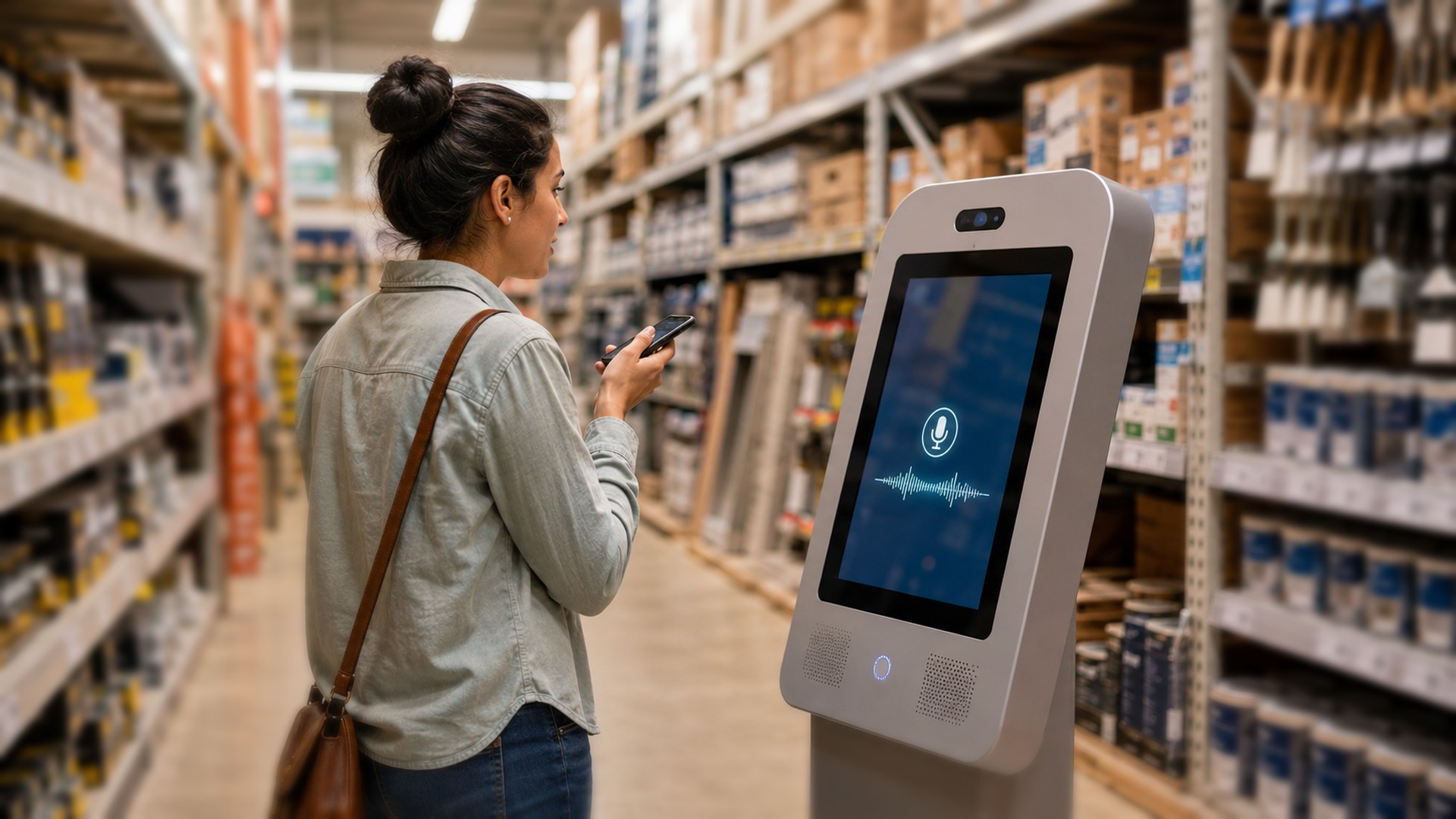
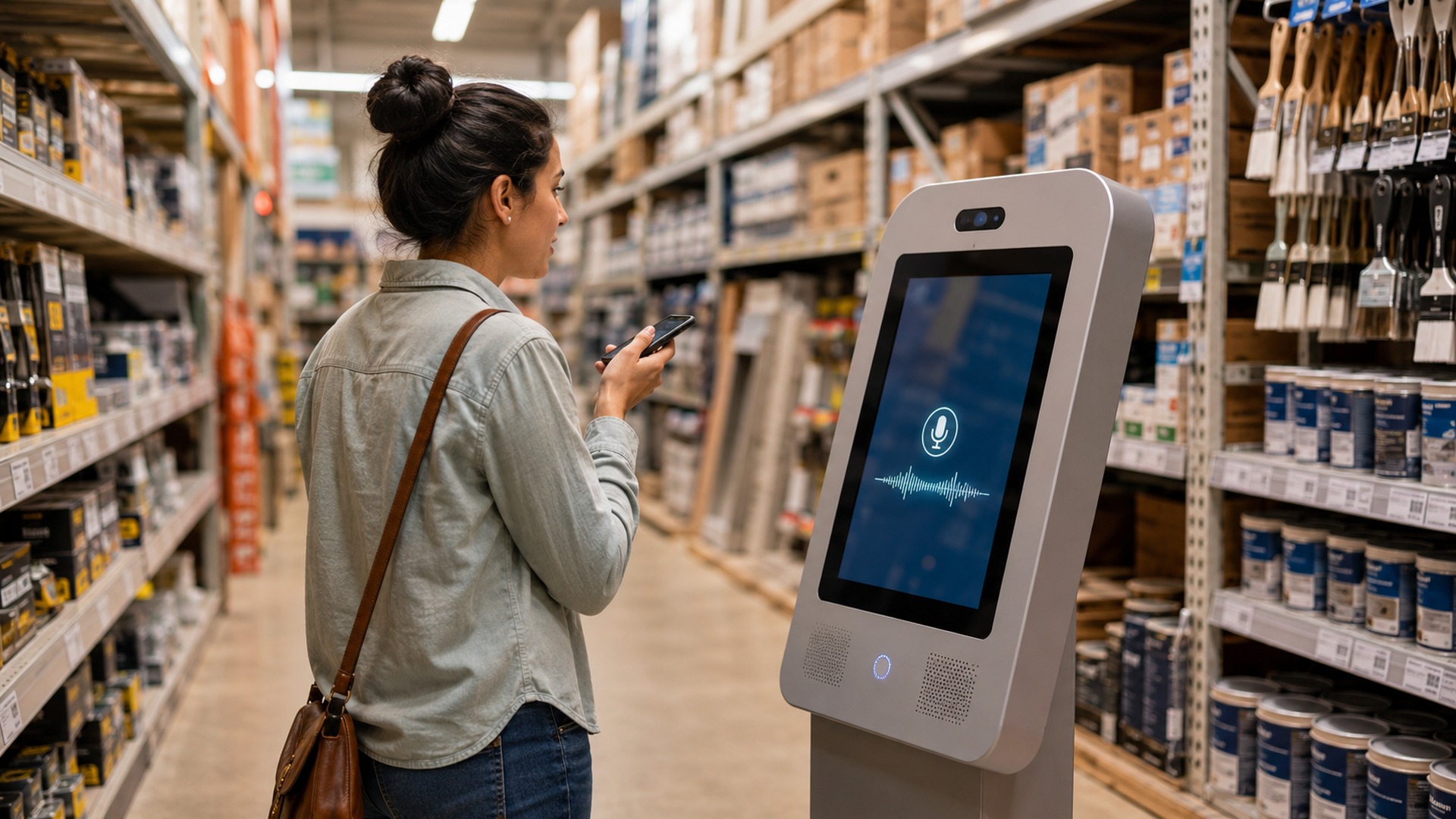
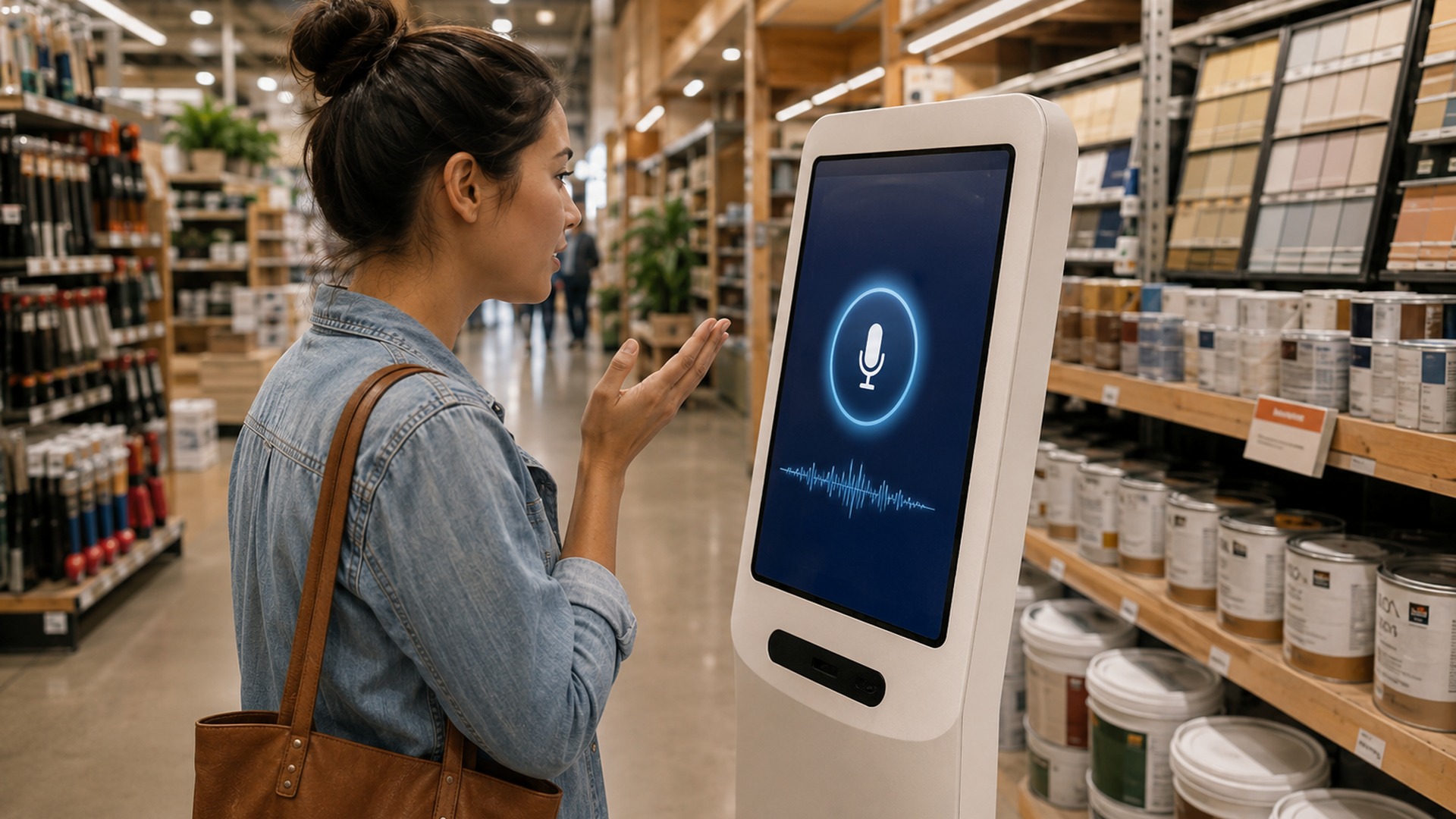
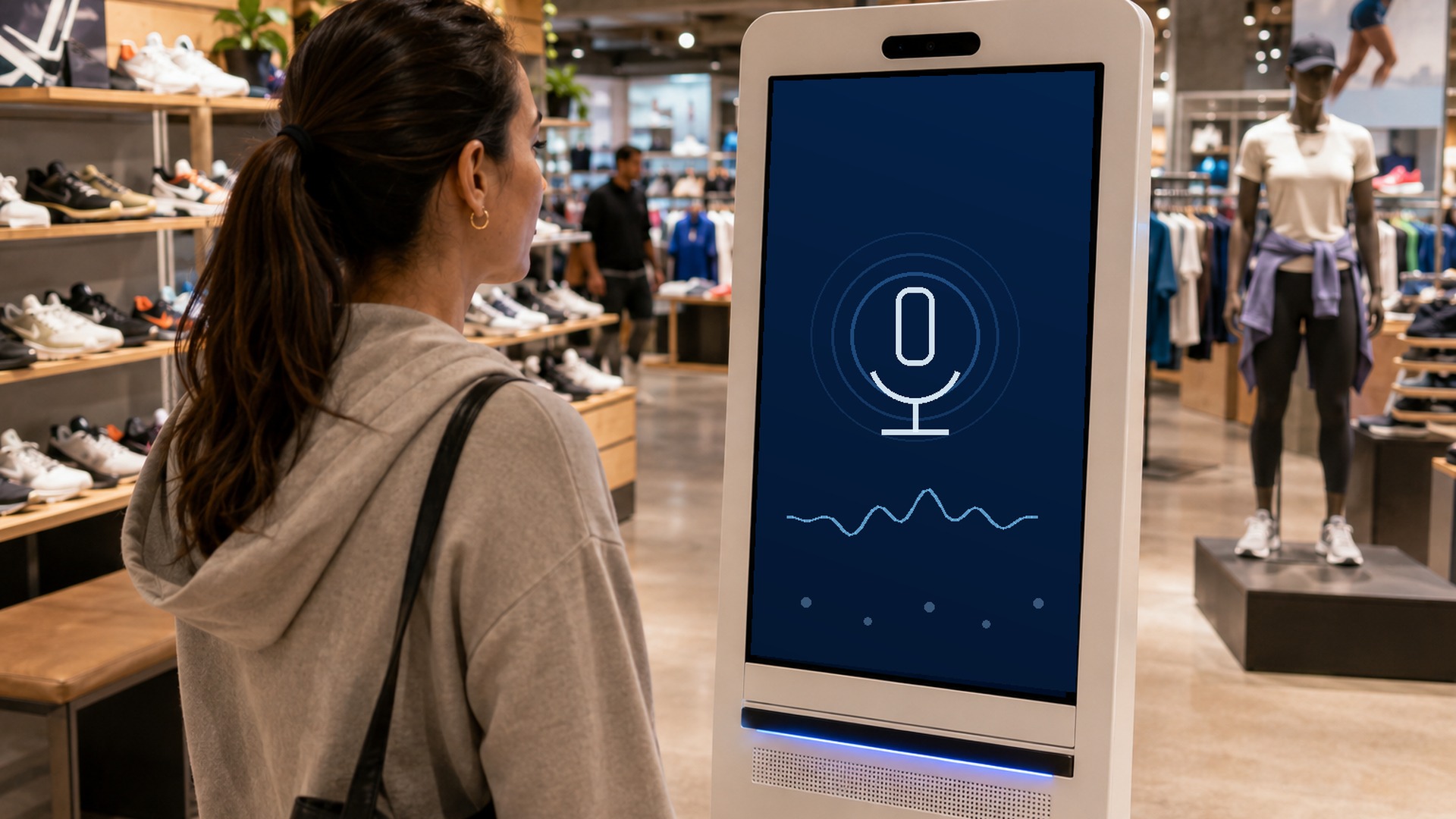
An in-store AI assistant, kiosk, voice interface, or associate-facing copilot can capture customer intent while the customer is still in the store. It can answer questions in the moment, qualify the need, recommend the next step, and create a structured summary for human follow-up.
This is especially useful when associates are busy. A shopper may not be ready to buy, but they may be ready to explain what they are trying to solve. If an AI assistant can capture that context with consent and hand it to the right store team member, follow-up becomes less like marketing and more like service.
The message changes from “Here are this week’s offers” to “The size you asked about is back in stock” or “Here are the two options that match the project you described.”
That is a very different customer experience.
It also gives retailers a better signal. The store can learn which products create confusion, which questions lead to delayed purchases, which categories need better education, and which follow-up moments actually bring people back.
The value is not just another outbound message.
The value is a better loop between the store conversation and the next customer action.
What retailers should do next
Retailers should start by separating three jobs that often get blended together.
First, capture the customer’s intent. What did they ask? What were they trying to solve? What stopped them from buying?
Second, give associates control. AI can suggest the note, timing, and next best action, but the associate should decide what feels appropriate. A scripted message from a real person still feels scripted.
Third, measure the quality of the relationship, not just the activity. More texts sent is not the goal. Better return visits, better basket completion, better service continuity, and higher trust are the goal.
There is also a privacy line here. Customers should understand when their information is being saved and why. A useful follow-up feels helpful because the customer remembers sharing the context. A creepy follow-up feels like the retailer remembered something the customer did not knowingly give.
That line will matter more as AI gets better at listening, summarizing, and predicting.
At Biscuit, this is why we think physical retail AI should be built around human handoff, not human replacement. The store is still one of the best places for a retailer to earn trust. AI should help the store remember what happened there, make the next interaction easier, and give associates more confidence when they continue the conversation.
Customers do not want more automated follow-up.
They want better follow-up from people who actually know what happened.